Exploring history, preserving memory, sharing perspectives

This blog serves as a resource for those interested in the historical context of a significant building in Amsterdam. We explore the narratives connected to the anne frank house and its surroundings. Our focus is on education, reflection, and historical awareness regarding the anne frank house.

Our Focus

We are dedicated to creating content that centers on the anne frank house and its historical environment. Our work involves researching historical documents, photographs, and personal narratives related to the Prinsengracht canal. We then translate this research into accessible blog articles, guides, and thought pieces. Our aim is to serve as a bridge between academic history and the curious visitor. We focus on the human stories behind the historical facts, emphasizing the daily experiences of individuals.

We believe that understanding a place like the anne frank house requires looking beyond a single event. We explore the neighborhood, the time period, and the broader social context that surrounded the building. Our content covers topics from the architecture of the canal houses to the history of Amsterdam during wartime. We also examine the literary journey of the famous diary and its global impact. Through this comprehensive approach, we strive to provide a meaningful perspective for anyone interested in this important site.
About Us 

We are a group of historians, writers, and educators based in Amsterdam with a shared passion for the city's history. Our collective interest naturally gravitated towards the anne frank house as a central point of cultural and historical significance. We noticed a desire among visitors for deeper, more nuanced content beyond the basic facts. This inspired us to create a platform dedicated to exploring the many layers of this site. We aim to provide thoughtful perspectives for those planning a visit or studying from afar.

Our team believes in the power of storytelling to connect people with the past. We spend our time in archives, reading personal letters, and studying the urban development of Amsterdam. We collaborate with local historical societies to ensure accuracy in our content. We also value the input of visitors who share their own reflections and experiences. Through this ongoing work, we hope to contribute to a richer understanding of the anne frank house and its enduring legacy.

Understanding Historical Context

We delve into the history of Amsterdam during the 20th century. Our content focuses on the daily life and circumstances surrounding historical events. We aim to provide context that helps visitors understand the significance of the anne frank house. By exploring archives and personal stories, we paint a picture of the era. This approach allows for a deeper connection to the site itself.

Architectural Heritage

The building known as the anne frank house is an example of typical Amsterdam architecture. We examine the structural history and how such buildings were used historically. The design of the secret annexe is a unique architectural feature. Understanding its layout helps one appreciate the physical space.

Literary Significance

A diary kept within the anne frank house has become a globally recognized work. We discuss the impact of this writing on literature and education. Our blog considers how personal accounts shape our understanding of history. We highlight the importance of storytelling in preserving memory. The legacy of this text continues to inspire new generations of readers.

Cultural Education

The anne frank house serves as an educational resource for people of all ages. We share information about educational programs and resources available. Our goal is to promote thoughtful discussions about history and its relevance today. We believe in the value of visiting such sites to enhance learning. These experiences foster a greater sense of global citizenship.

Our Philosophy

Our philosophy is centered on the idea that history is not just a collection of dates, but a collection of human experiences. We believe that a place like the anne frank house offers a powerful lens through which to view complex historical events. We approach our work with a focus on empathy, aiming to understand the perspectives of those who lived through that time. We value honesty in historical interpretation, acknowledging both the known facts and the areas where information is incomplete. We see our role as facilitators of thoughtful reflection rather than simply providers of answers.

We believe that education about the past should inspire responsibility in the present. By exploring the stories connected to the anne frank house, we hope to encourage conversations about tolerance and understanding. We feel that historical sites serve a vital role as places of learning for all generations. Our content aims to be accessible, inviting readers to engage with history regardless of their prior knowledge. Ultimately, our philosophy is rooted in the belief that remembering history is an active and ongoing process.

Blog

Welcome to our blog, a space dedicated to exploring the many facets of the anne frank house. Here, we share insights gathered from historical research and visits to the area. Each post aims to offer a new perspective on the well-known stories associated with this site. We cover topics ranging from the building's architecture to the history of the neighborhood. Our writers focus on the human elements that make this history so compelling. We invite you to explore these narratives and deepen your understanding of the anne frank house.

The Architecture of Prinsengracht

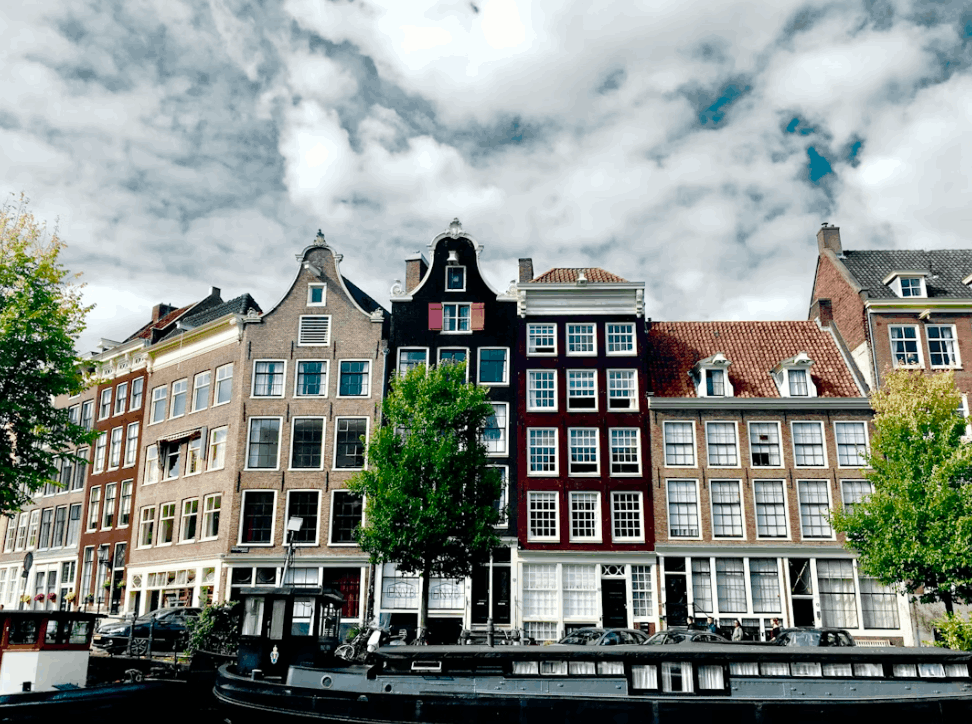
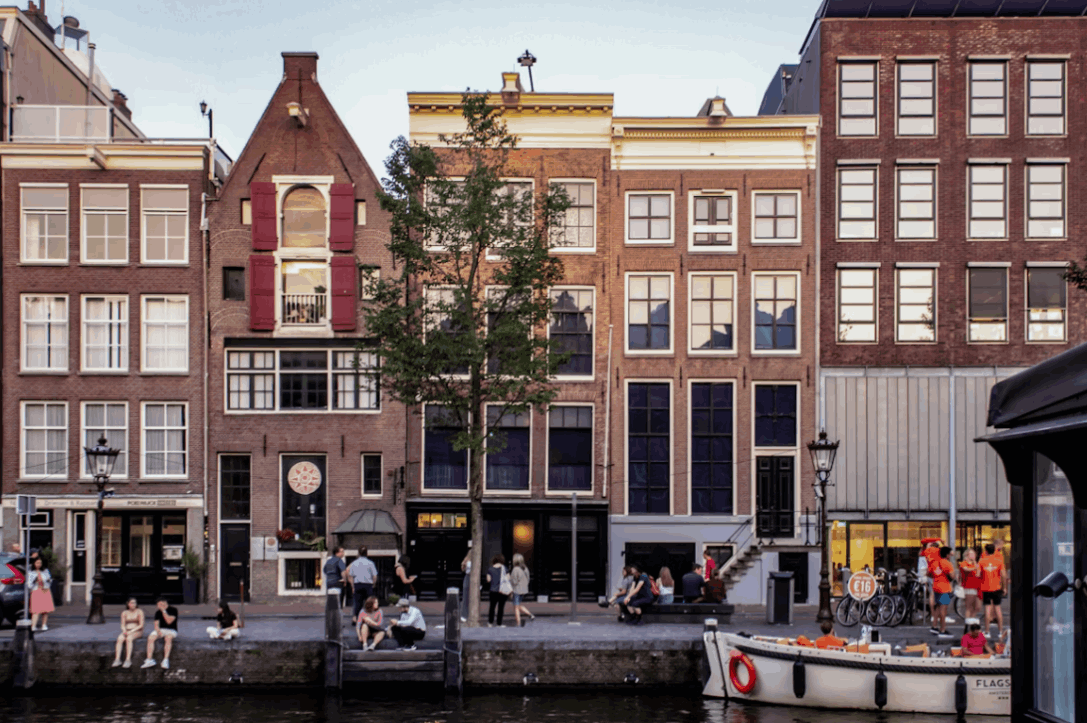
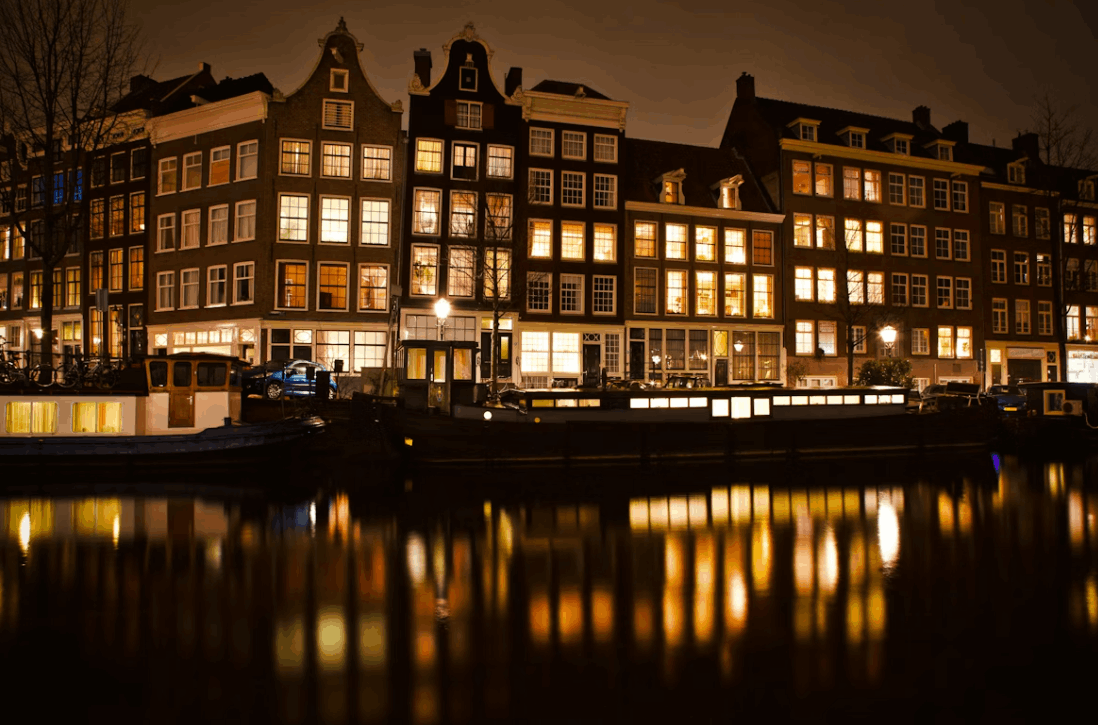
The building that now serves as the anne frank house is a classic example of 17th-century Amsterdam canal-side architecture. These narrow, deep structures were designed for both residential and commercial use. The internal layout, including the famous hidden annexe, reflects the adaptability of these spaces over centuries. Understanding the original function of these buildings provides context for the events that later unfolded there. The architectural choices, from the staircases to the window placements, tell a silent story of the city’s development.

Daily Life in Wartime Amsterdam

Life in Amsterdam during the 1940s was marked by significant changes and challenges. The neighborhood surrounding the anne frank house was a vibrant community that saw many disruptions. Residents faced new regulations that affected their daily routines, from travel to work. Examining these conditions helps us understand the atmosphere of fear and uncertainty that pervaded the city. Personal accounts from that era reveal the resilience and resourcefulness of ordinary people facing extraordinary circumstances.

The Journey of a Diary

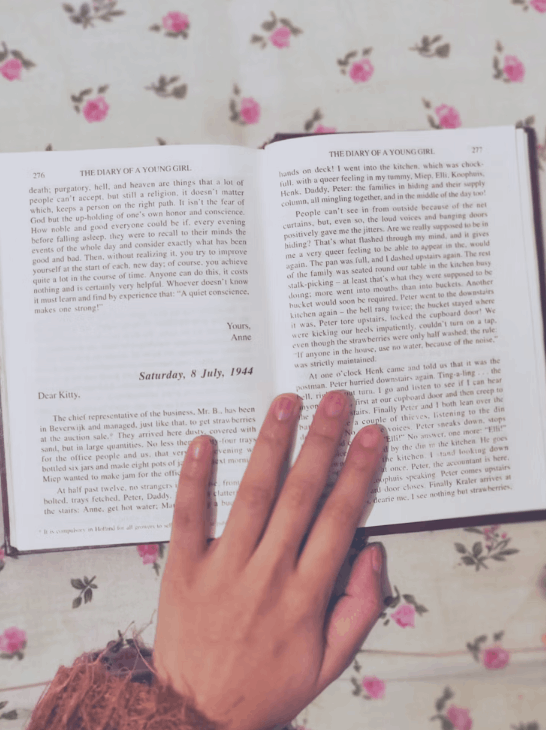
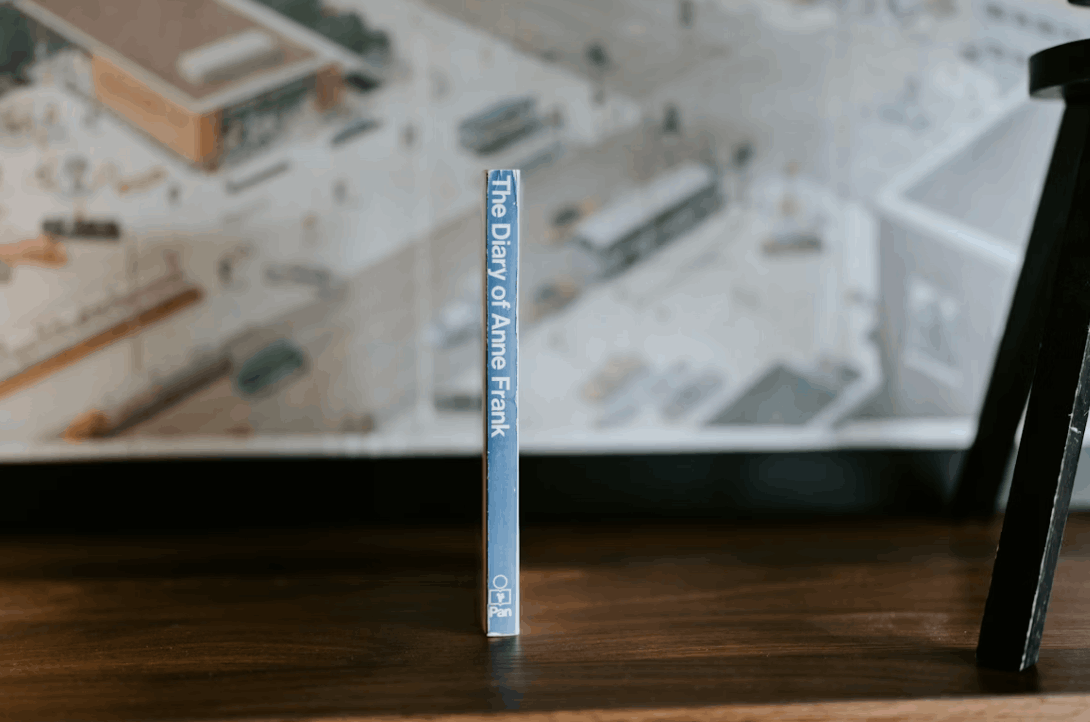
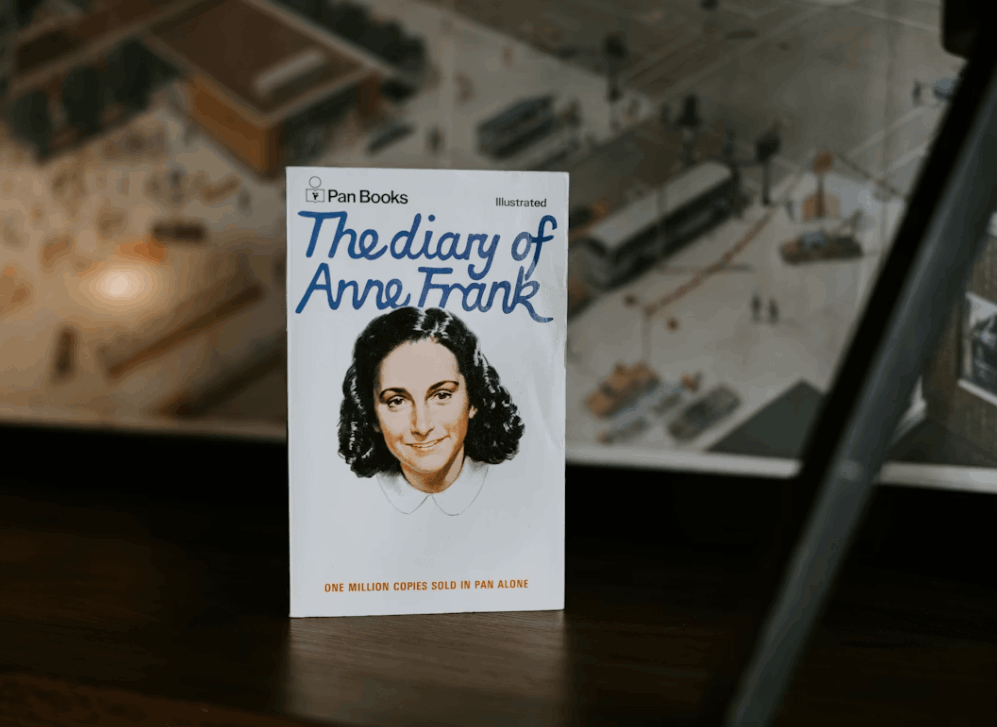
A small, checkered diary kept within the anne frank house has become one of the world's most read books. Its journey from a personal possession to a published manuscript is a story in itself. After the war, the diary was preserved by those who survived, eventually being shared with a wider audience. The publication allowed the thoughts and feelings of a young writer to resonate across the globe. Today, the diary remains a central focus for visitors seeking a personal connection to the anne frank house.

Preservation and Memory

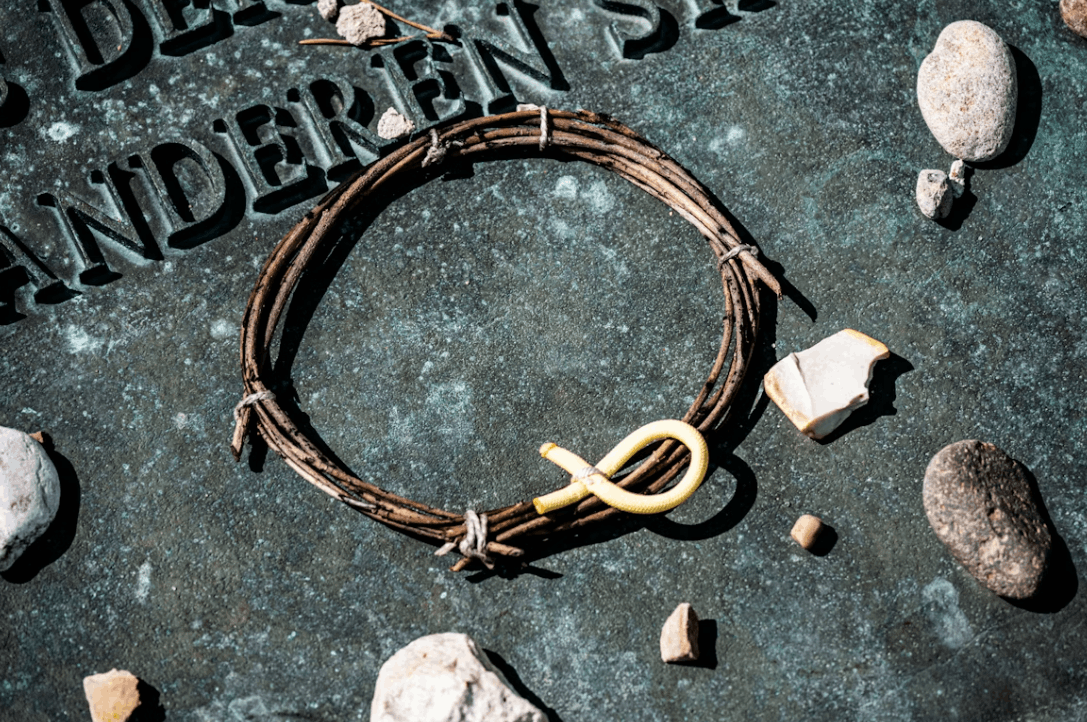
The preservation of the anne frank house as a museum was a decision made to ensure the history was not forgotten. Early efforts focused on saving the building from demolition and opening it to the public. The site now functions as a place of reflection and a center for educational activities. Maintaining the authenticity of the space is a primary concern for those who manage it. This commitment to preservation allows future generations to engage with this history in a tangible way.

Our Purpose

Our mission is to provide a comprehensive and thoughtful resource for anyone seeking to understand the history of the anne frank house. We aim to create content that illuminates the human experiences connected to this site. We believe that by exploring the past with empathy and accuracy, we can contribute to a more informed present. We strive to make historical research accessible to a global audience. Our work is driven by a commitment to preserving the memory of those who lived within these walls.

We see our role as educators and storytellers who facilitate meaningful engagement with history. We are dedicated to exploring the broader context of the anne frank house, including the architecture, the neighborhood, and the historical era. We aim to inspire our readers to reflect on the lessons that history offers for contemporary life. By focusing on personal narratives, we hope to build bridges between the past and the present. Our mission is to ensure that the legacy of this place continues to teach and inspire for generations to come.

Our History

Our organization began as a small discussion group among friends who were fascinated by Amsterdam’s history. We often found ourselves at the anne frank house, discussing its meaning and impact. Over time, we realized there was a desire for more in-depth, accessible information about the site. We started sharing our research and reflections with a small online community. The positive response encouraged us to formalize our efforts into the blog you see today.

As we grew, we began collaborating with local historians and educators to expand our knowledge base. We spent countless hours in Amsterdam’s archives, uncovering details about the Prinsengracht area. We developed a network of people who shared our passion for thoughtful historical exploration. Our journey has been one of continuous learning, driven by curiosity and a sense of responsibility. Today, we are proud to serve as a resource for those seeking a deeper connection to the anne frank house.

FAQ

Here we address some of the most frequent questions we encounter regarding the anne frank house. Our aim is to provide clear and informative answers based on historical research. We hope these responses enhance your understanding and preparation for engaging with this important site.

The building is significant because it served as a hiding place during the Second World War. A young resident wrote a world-famous diary while living in the secret annexe within the structure. Today, it stands as a museum dedicated to her life and to the history of persecution. It serves as a powerful symbol of resilience and a reminder of the consequences of intolerance.

Most visitors spend approximately one to two hours exploring the museum. The route through the anne frank house takes you through the original spaces, including the hidden annexe. Visitors often find they want time to absorb the information presented in the exhibitions. It is recommended to allow for a relaxed pace to fully engage with the history.

Yes, there are numerous educational resources connected to the anne frank house. The museum provides materials for students and teachers, including digital exhibitions and historical archives. Many online platforms offer in-depth articles and timelines related to the history. These resources are designed to support learning before, during, or after a visit.

The original diary is preserved as part of the collection and is displayed on a rotational basis for preservation purposes. The anne frank house museum features exhibits that showcase the diary alongside historical documents. These displays provide context about its creation and its journey to publication. Conservation efforts ensure it remains protected for future generations.

The building, like many historic canal houses in Amsterdam, has a structure that can present challenges. The anne frank house includes areas with steep, original staircases. Information about current accessibility features and alternative routes is available for those planning a visit. It is advisable to review the specific details beforehand to prepare for the experience.

Contacts

Our Office

© Prinsengracht Stories 2026 - All Rights Reserved
Cookie Privacy